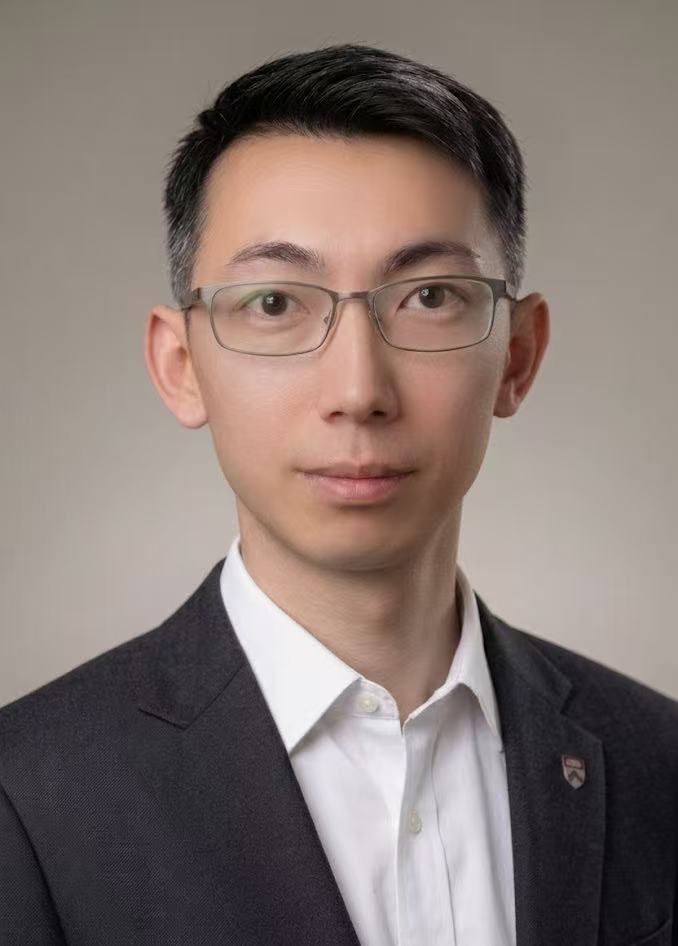
Zihang Zou, Ph.D.
I received my Ph.D. in Computer Science from the University of Central Florida, advised by Liqiang Wang.
I study copyright protection and data plagiarism in neural networks, alongside compliance with laws and physical rules. I am currently working on physical scenarios and simulation, with an interest in learning efficiently and evolving over time.
Research
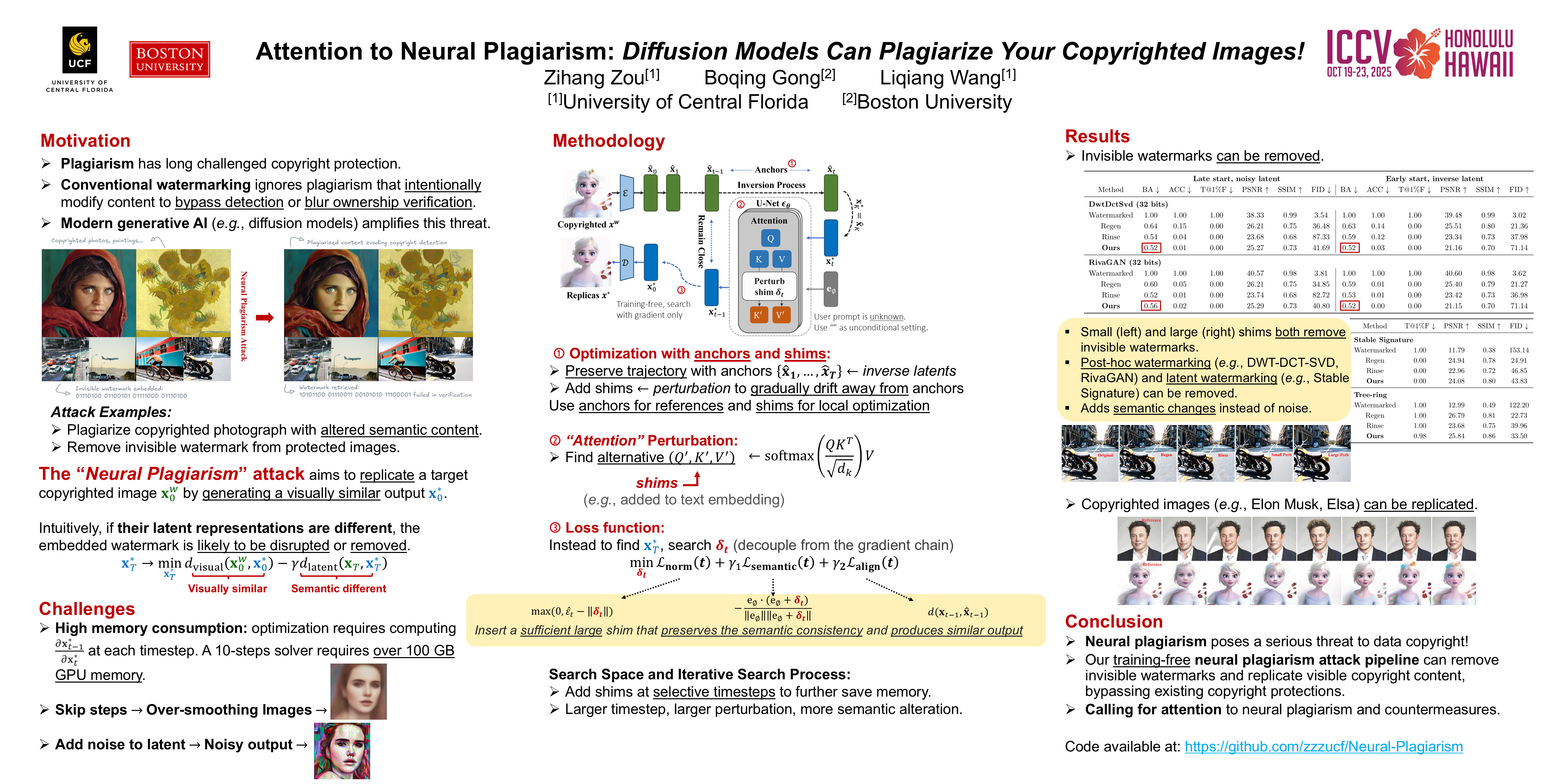
Copyright Protection & Data Plagiarism
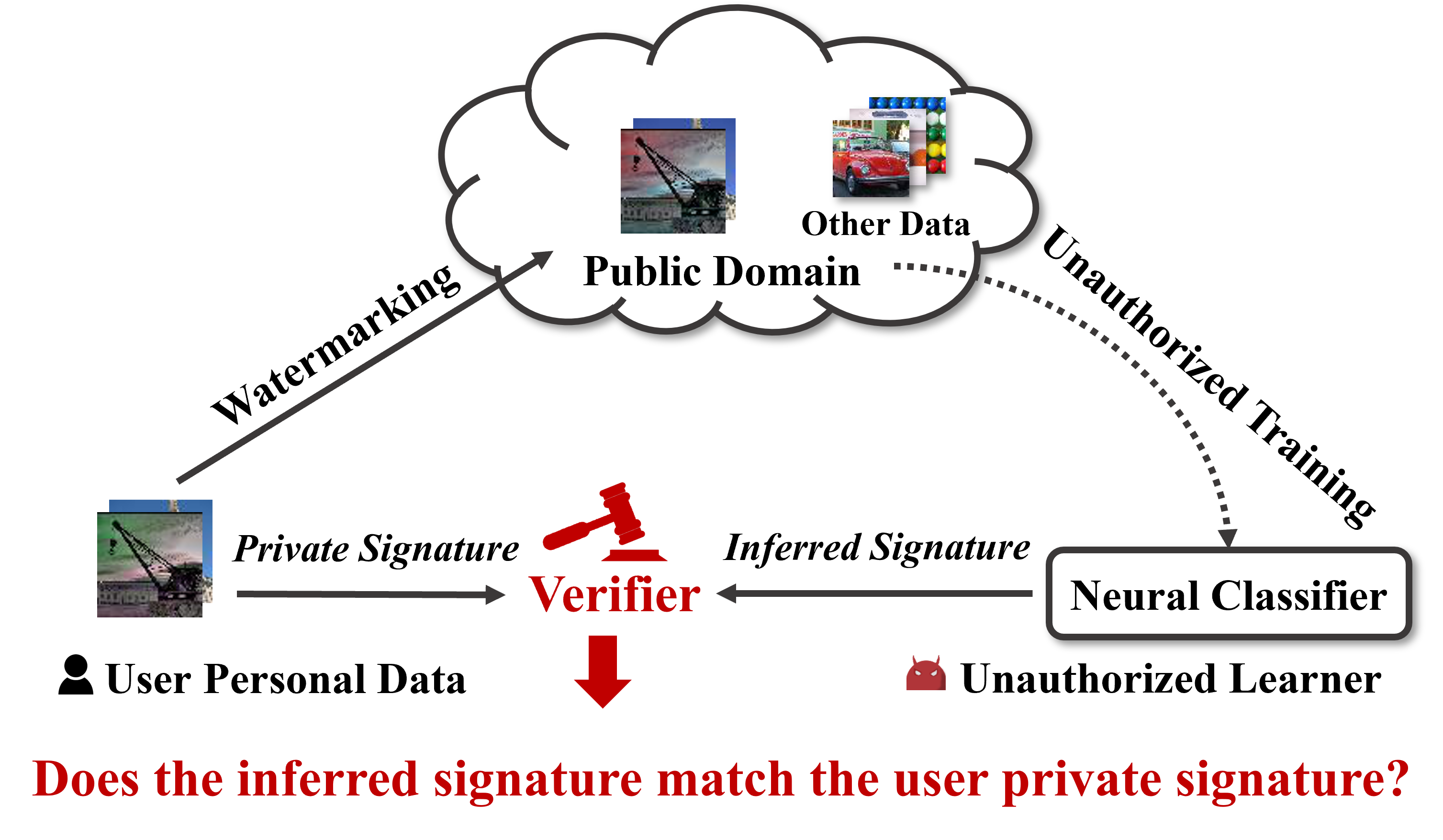
Neural networks can learn from and reproduce protected data, making it difficult for creators to control how their work is used or establish ownership. My research develops ways to verify unauthorized data use and examines how generative models enable plagiarism and ownership ambiguity. By studying protection mechanisms alongside their failure modes, I aim to make copyright protection effective across both model training and generation.
Law & Physical Rules Compliance
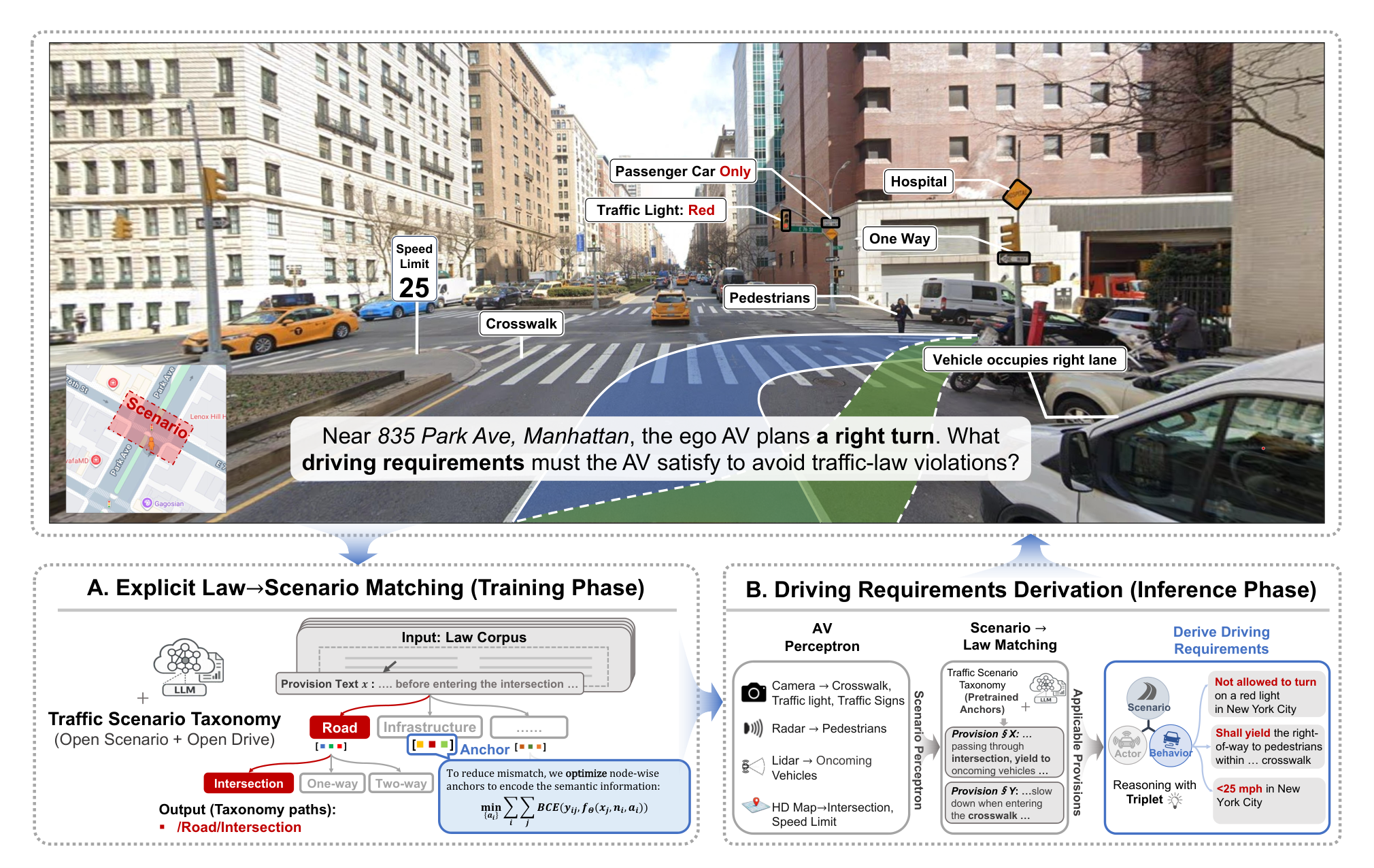
Intelligent systems must follow legal requirements and the physical rules that govern their environments. My research investigates how these constraints can become part of learning, reasoning, and decision-making. I combine structured representations of laws and domain knowledge with constrained learning and physically grounded simulation, using controlled scenarios to evaluate when model behavior complies with requirements and where it fails.
Towards Lawful Autonomous Driving: Deriving Scenario-Aware Driving Requirements from Traffic Laws and Regulations
Preprint · 2026
Improving model robustness of traffic crash risk evaluation via adversarial mix-up under traffic flow fundamental diagram
Accident Analysis & Prevention · 2024
Vehicle-Dynamics-Aware Motion Planning for Pothole-Hazard Mitigation
Journal of Intelligent and Connected Vehicles · 2026
Efficient & Lifelong Learning
Continually changing tasks and environments make repeated retraining costly and put previously learned capabilities at risk. My goal is to make AI accessible to everyone through models that learn efficiently and continually evolve, acquiring new knowledge while preserving useful capabilities. This direction asks how to reuse existing representations, limit the data and computation needed for updates, and assess new-task performance together with knowledge retention.